Aqaba · The ancient church at Aila

Quiet walls.
A story that
reaches far.

A few preserved walls. A protective roof. And a remarkable place in the story of early Christian worship. Take a slower look at Aqaba’s ancient church.

AQABA CHURCH · THE SHELTERED ARCHAEOLOGICAL REMAINS

01 / LOOK CLOSELY. STAY CURIOUS.

A heritage notebook about the site, the names around it and the details worth noticing.

A different kind of landmark

The significance
is in the beginning.

The ancient church in Aqaba is widely described as the oldest known purpose-built Christian church. That distinction matters: a building designed for worship is different from an older house later adapted for Christian gatherings.

The Jordan Tourism Board places its construction in the late third or early fourth century CE. It was part of ancient Aila, the port settlement associated with today’s Aqaba.

Come expecting archaeological remains rather than a complete church interior. The reward is understanding the outline of a very early community building, not finding an intact monument.

In the margin · Two words that matter.

Purpose-built. They describe what the building was made for. They do not mean that Christian worship began here, or that no older gathering place existed elsewhere.

The period
Late third or early fourth century CE, according to JTB.

The material
Mud-brick construction on stone foundations.

The experience
Preserved remains to look at carefully, rather than a functioning church service.
02 / A photographic essay

Read a wall.
Then read the space.

Begin with the whole site, then choose a few details. Use the interpretation on site to separate what survives from what you are imagining.

“The first thing to notice is not how much survives, but what the building was made for.”

A way to look · Wonders field notes

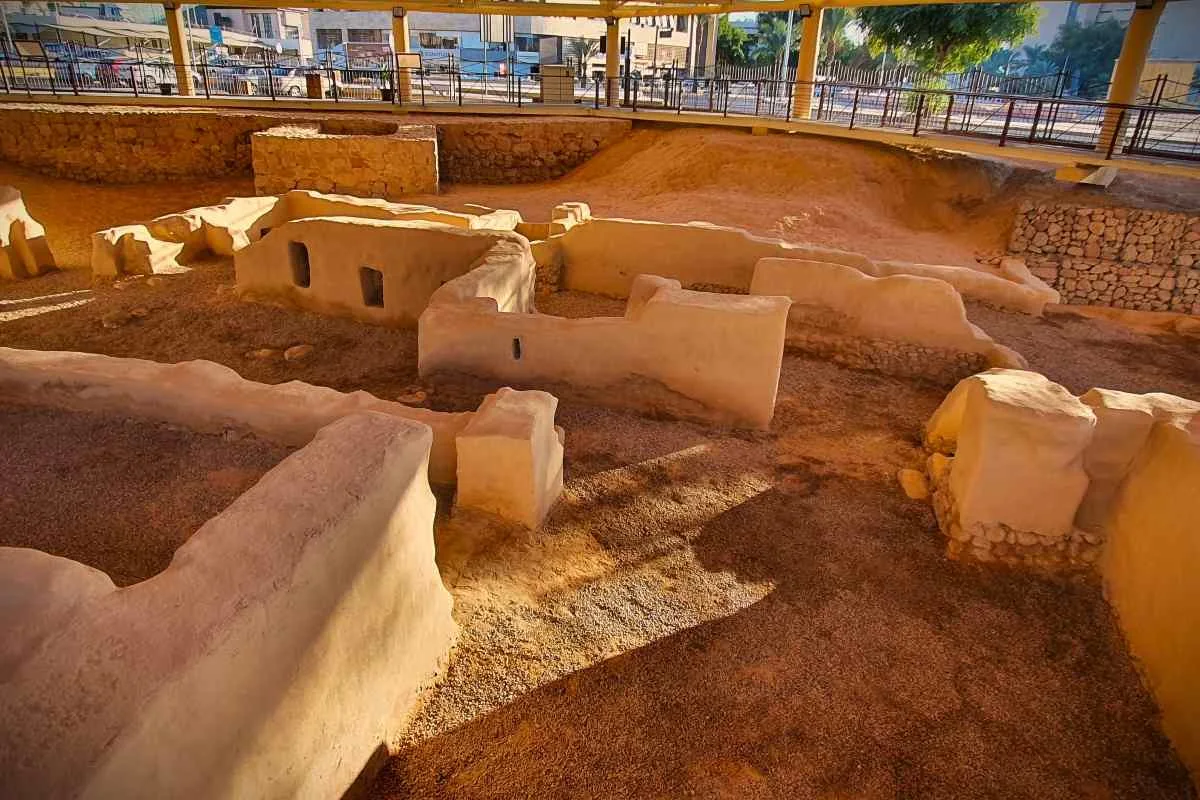
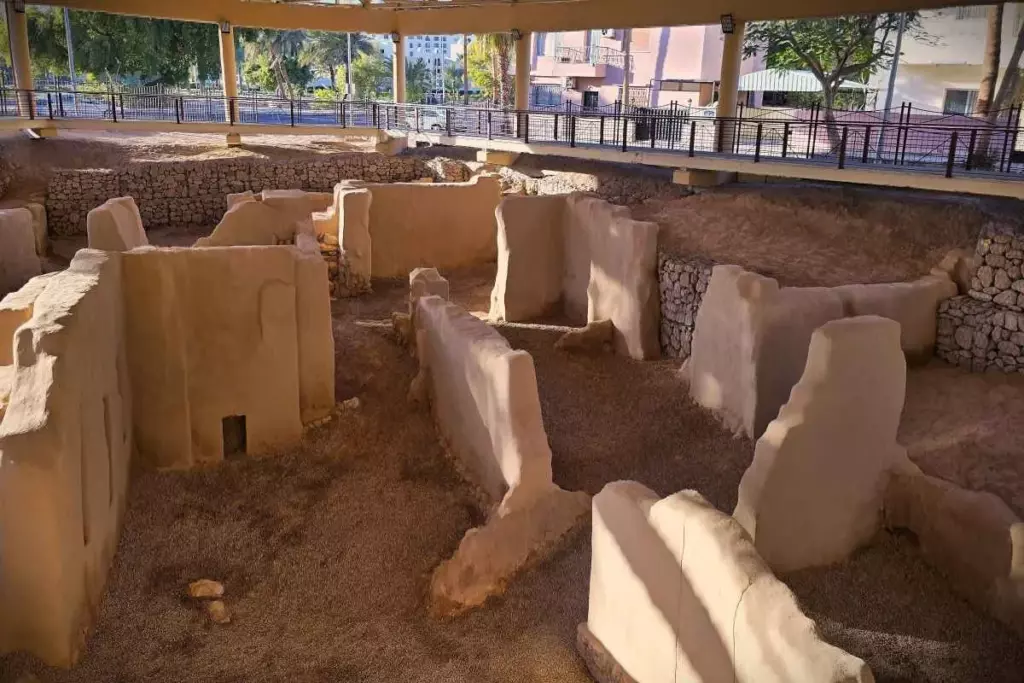
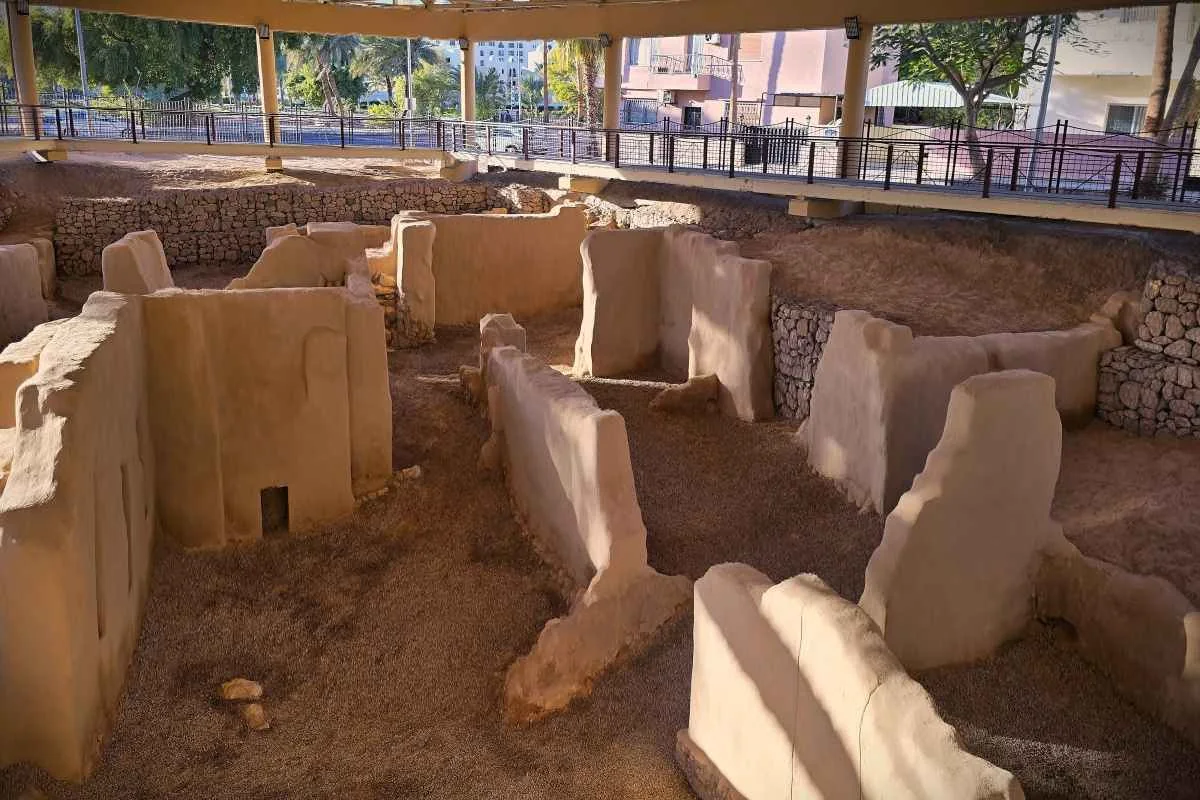
Mud-brick walls and passages at the ancient church in Aqaba
A / FOLLOW THE LINES

First, find the larger shape.

The church is described as a basilica with a central nave and side aisles. Look for the way surviving walls organise the space. A site plan can help turn fragments into a more understandable whole.

A photograph gives you one angle. Stay on the visitor route and let the view change as you move.

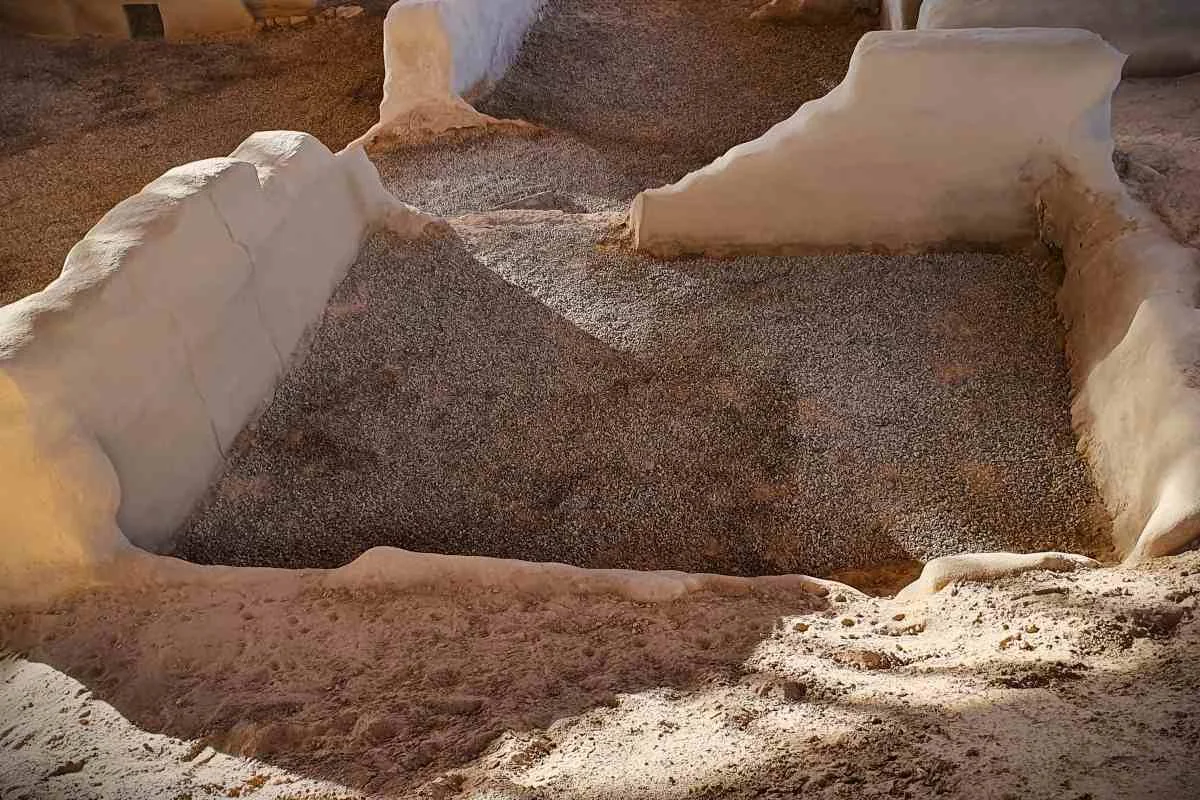
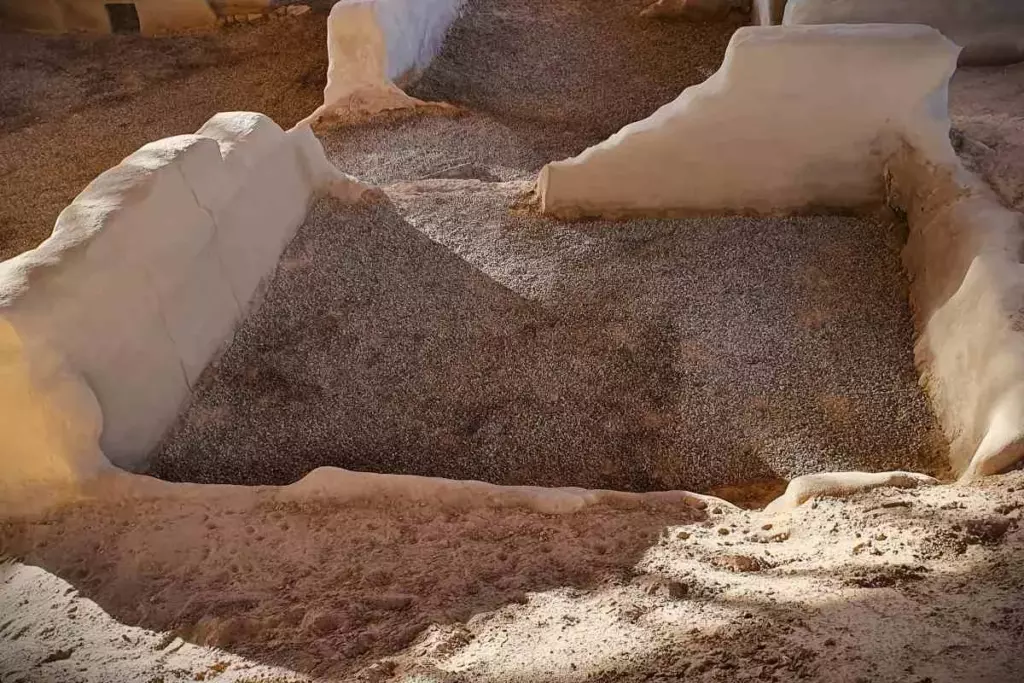
Close view of low preserved wall surfaces at Aqaba Church
B / THE SURFACE

Notice what remains.

Give the changes in material and wall height a moment of attention. A close look does not need a close touch.

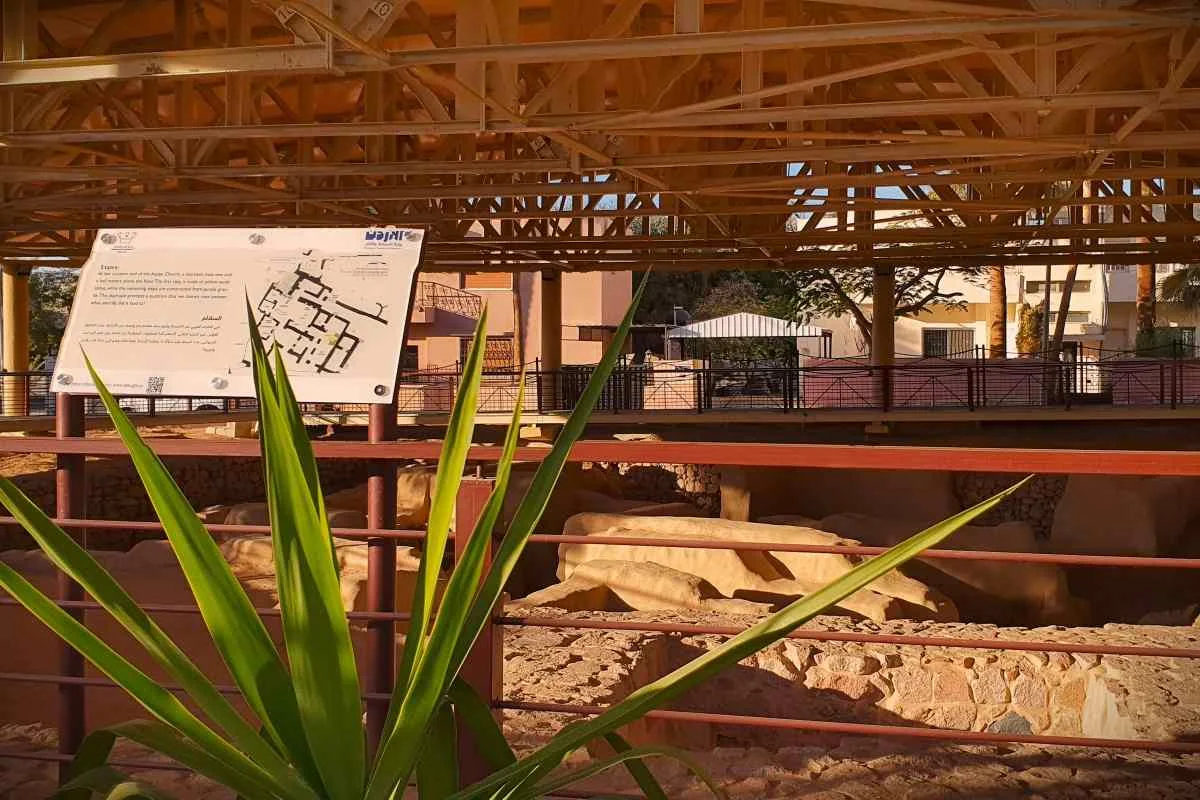
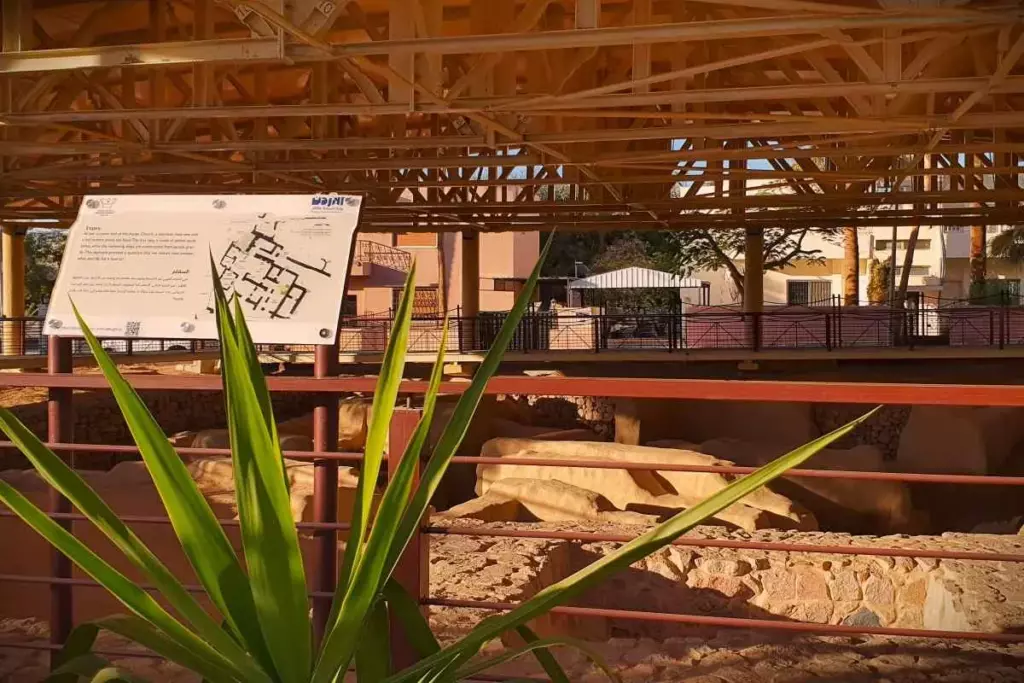
Let the signs help.

Read the interpretation before deciding what a room or doorway was used for. Stay behind barriers and leave space for others to look.

Railings and interpretation panels beside the sheltered Aqaba church ruins
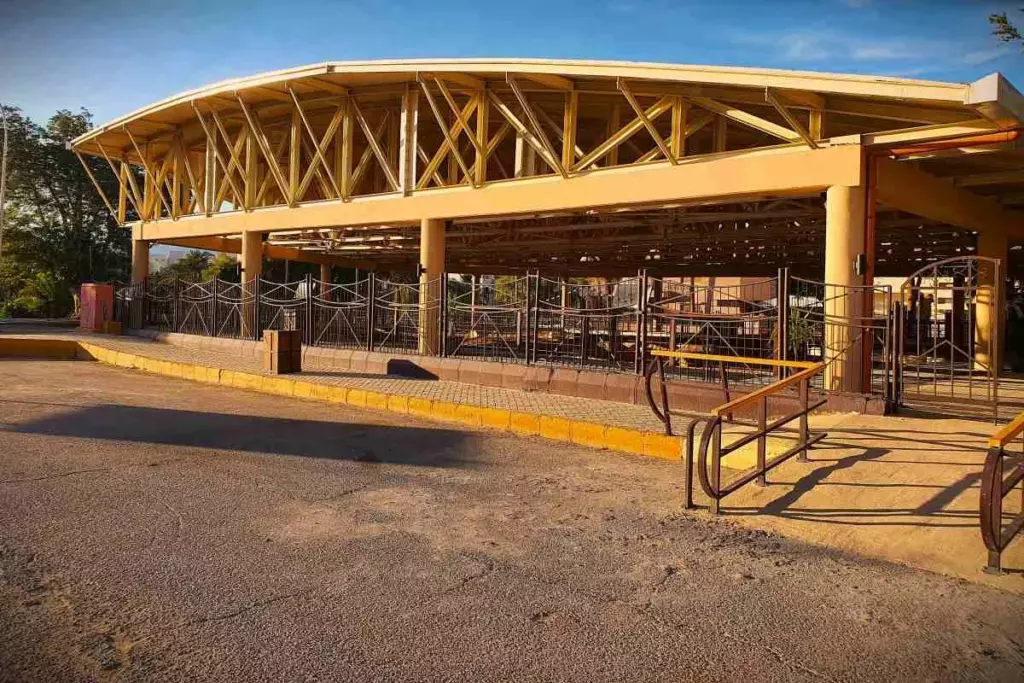
Exterior of the modern protective shelter over Aqaba Church
Get the name right

Aila. Ayla.
Which place do you mean?

Similar names can lead to a different destination. When choosing a map pin or speaking to a driver, say that you mean the ancient Aqaba church.

01 / Ancient Aila and the church

The early Christian site is the subject of this guide. It belongs to the story of Aqaba’s ancient settlement.

02 / Islamic Ayla

The early Islamic city is another archaeological site. Its city remains and the ancient church should not be treated as one identical attraction.

03 / Ayla Oasis

The modern leisure development shares the name. A booking or a map result for Ayla Oasis is not directions to the ancient church.

A short historical perspective

A community.
A discovery.
A responsibility.

The importance of the church lies in what its remains can tell us about early worship and the city around it. Its story also includes the work needed to preserve fragile materials in a modern urban setting.

Look at the protective structure as part of that continuing responsibility. It is modern conservation infrastructure, separate from the ancient building itself.

Late antiquity

The church belongs to the late third or early fourth century. Its early date is central to its archaeological significance.

1990s excavations

Archaeological investigation brought the building to scholarly attention. Excavator S. Thomas Parker published a report about the early church in 1998.

Conservation in the 2020s

ACOR’s 2023 annual report describes conservation and consolidation with the Department of Antiquities and IFPO, alongside plans for shelter, paths and signs.

Exterior of the modern protective shelter over Aqaba Church
Before you set off

A little preparation.
A more rewarding stop.

Confirm the exact entrance and current visitor arrangements before you go. Ask locally about opening, admission, guided interpretation and any restrictions affecting the date of your visit.

Bring water and choose comfortable footwear. A shelter over ruins does not describe the entire route from your accommodation or pickup point.

If steps or uneven surfaces are difficult, ask about the complete route, including the entrance and viewing positions. A photograph of a ramp is not confirmation of step-free access throughout.

Save the right destination.

Use the full name “Aqaba ancient church” when confirming a location. Ask your hotel or local contact to check the pin before you start walking.

Keep the day in proportion

One careful stop.
A wider city around it.

The church can add historical depth to time in Aqaba without turning your day into a race between attractions.

IF YOUR INTEREST IS HISTORY

Keep the periods distinct.

Consider the church and Islamic Ayla as different chapters. Compare what you have learned about each period instead of expecting the same layout, scale or story at both sites.

Check each entrance independently. Nearby places do not necessarily share one timetable or ticket.

IF YOU WANT A GENTLER DAY

Leave room for a pause.

Choose the church as a focused cultural stop, then make time to sit down. Your interest in a place matters more than the number of sites crossed off a list.

For the wider setting, start with our Aqaba city guide and decide what suits the rest of your stay.

A few clear answers

Know what
you are coming to see.

Think of a protected archaeological site, with a story that needs a little context. Confirm the practical details close to your visit.

Is this really the world’s oldest church?

It is widely described as the oldest known purpose-built Christian church. “Known” and “purpose-built” are important: older buildings adapted for Christian gatherings are a different category.

Is it the same place as Islamic Ayla?

No. The ancient church and the early Islamic city are distinct archaeological sites. The shared name reflects the wider history of Aqaba, but it should not make you use the same map pin for both.

Will I see a complete church interior?

Expect archaeological remains rather than a complete historic church. The surviving walls, layout and interpretation are the focus.

What are the opening hours and ticket price?

Confirm current arrangements directly before you go. This guide does not quote an unverified timetable or admission price, and photographs do not confirm access on a particular date.

Can I combine it with other Aqaba sights?

Yes, if the places match your interests and current access works for your day. Keep the church distinct from Islamic Ayla and the modern Ayla development, and leave time between stops.

Plan with Wonders

Aqaba has more
than one story to tell.

Tell us where you are staying, when you will be in Aqaba and whether your interest is early Christianity, archaeology or a balanced city visit. Mention any mobility needs so the practical arrangements can be checked.

Reference shelf · checked 23 October 2026

Read the history in context.

Historical interpretation and practical planning are different things. Confirm current access locally; the dated publications above are not a daily opening notice.

Proceed Booking