+962 7 9635 8199
[email protected]

Looking for things to do in Petra, Jordan? Start with the Siq and the Treasury, then make room for the city beyond: rock-cut tombs, temple remains and the climb to the Monastery.
Choose a route that suits your time and energy. You do not need to collect every viewpoint to have a memorable visit.
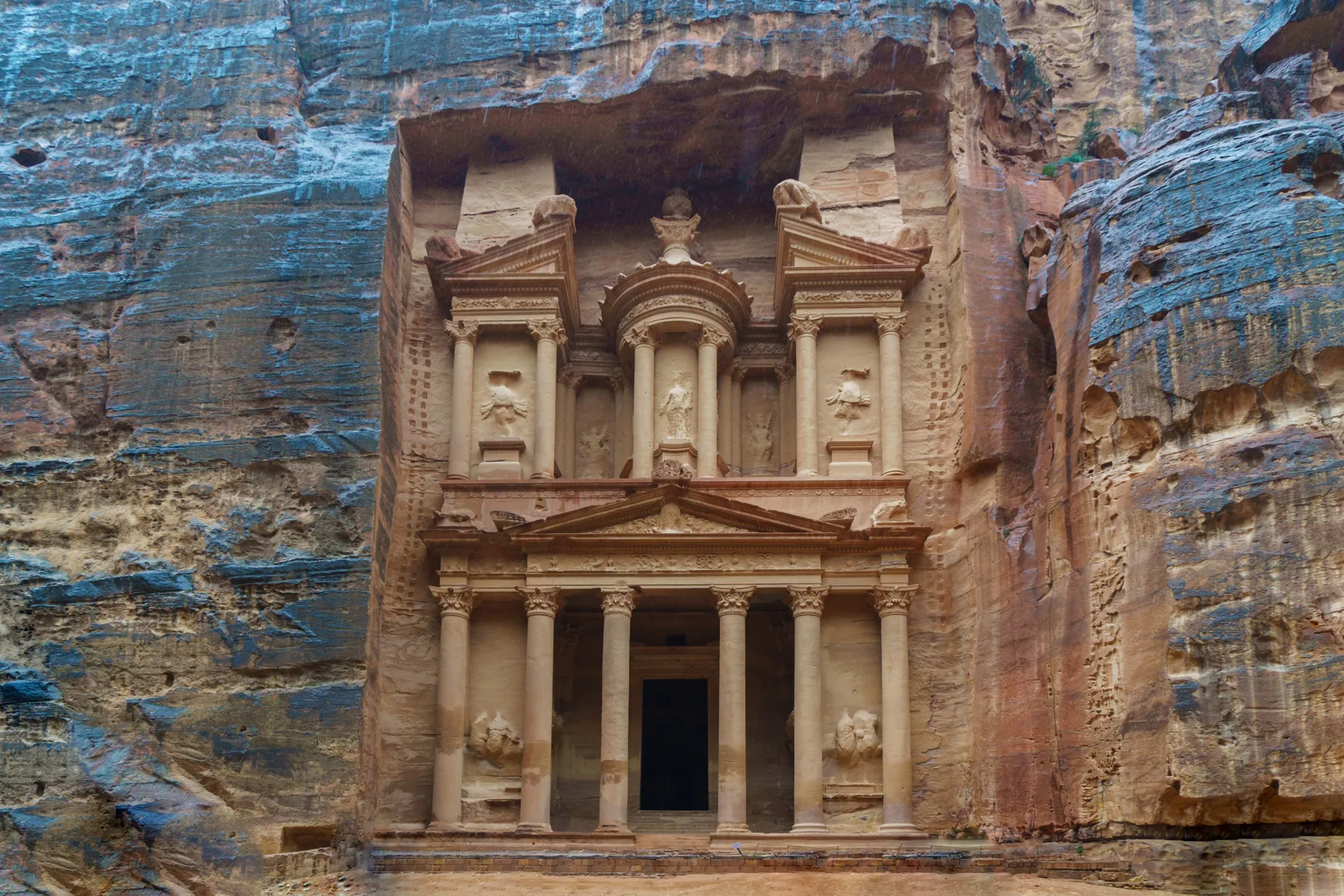

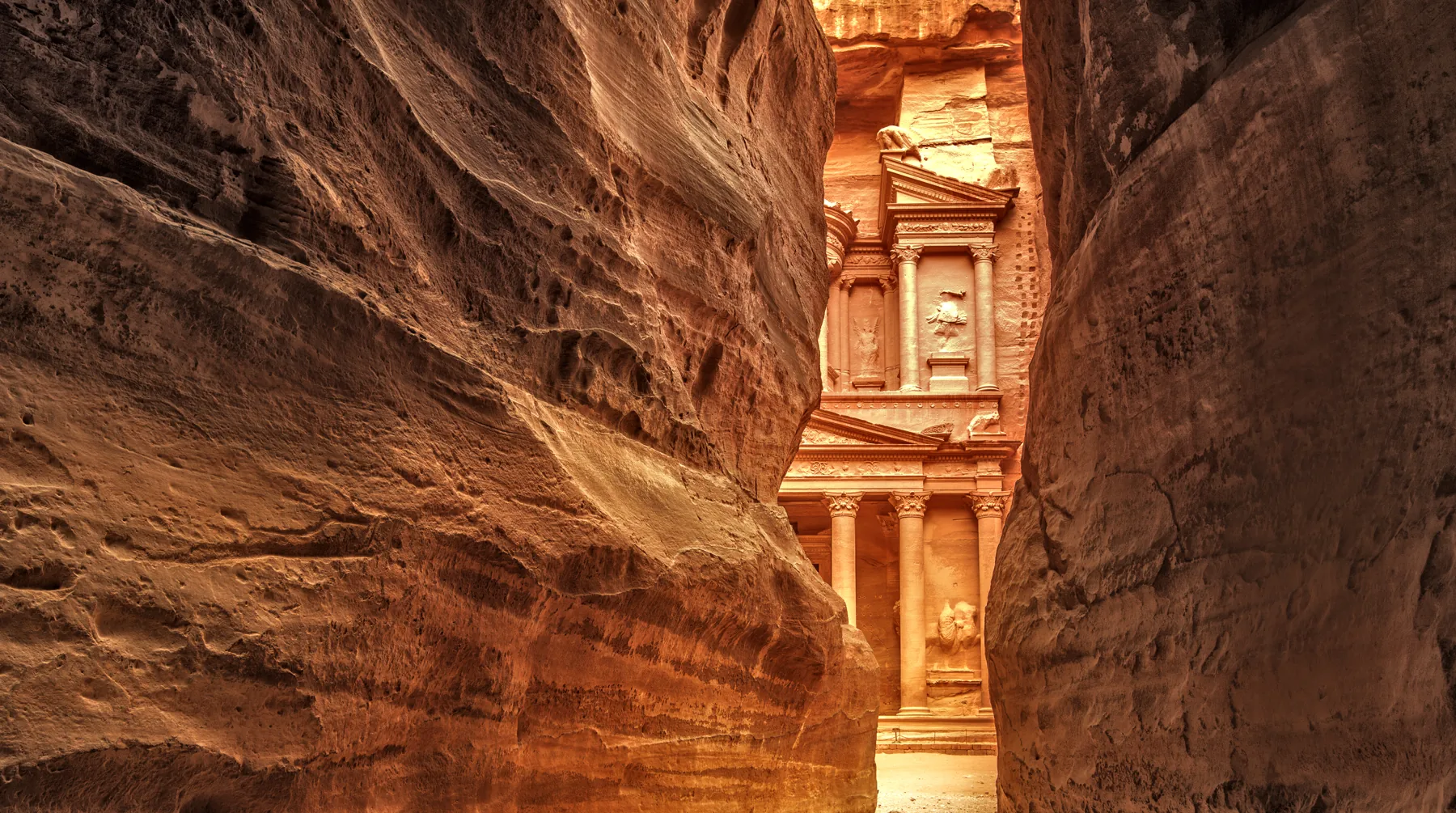
Petra was a Nabataean trading city, shaped by architecture, landscape and sophisticated water engineering. UNESCO inscribed it as a World Heritage Site in 1985. Look at its channels and public spaces as well as its monumental tombs. UNESCO’s site overview ↗
Make the main walk your starting point.
The official Main Trail runs from the Visitor Center to Qasr al-Bint. Its published 3.9 km distance is one way, before detours or the walk back. Official trail details ↗
THE APPROACH / 02
The canyon approach is part of the experience. Notice the water channels beside the path and the changing bands of sandstone. Allow space for people coming the other way rather than stopping across the narrowest passages.
At the Treasury, step aside and take time to look up. The decorated façade is generally interpreted as a monumental tomb; the treasure stories belong to its later folklore.
Keep photography to permitted areas. An enticing viewpoint is not proof that a route is open.
The Urn, Silk, Corinthian and Palace tombs form an impressive group above the valley. Their carved fronts reward a slower look. Add the stepped approach only if it suits your energy and the route is open.
Look for chisel marks, niches and the rock’s own stripes. A close look from the permitted path can be as rewarding as another long detour. Leave stones and fragments where they are.
Beyond the Theatre, follow the main route towards the Colonnaded Street and Qasr al-Bint. The freestanding temple remains offer a different perspective from the façades cut into the cliffs.
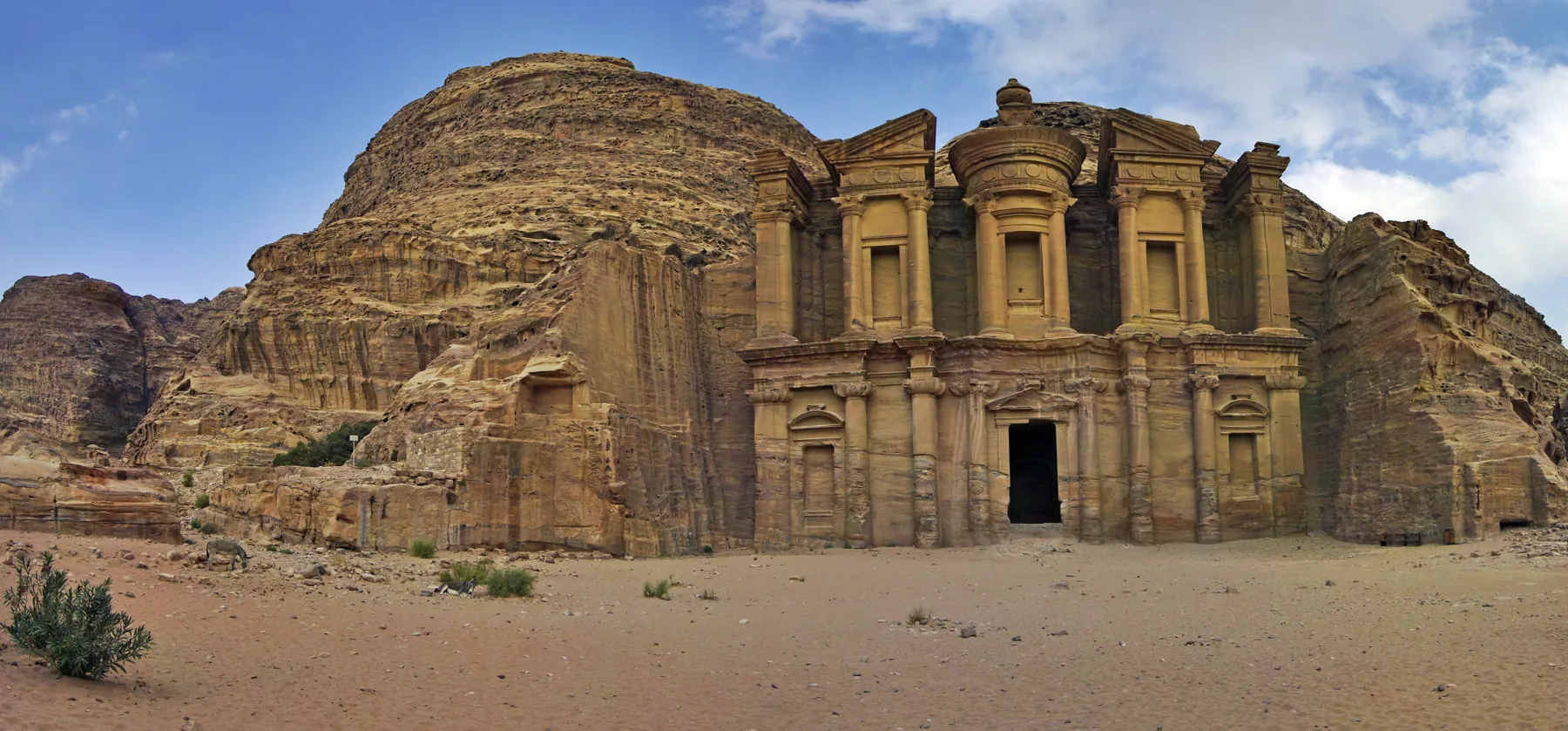
A separate climb, a different scale. Treat Ad-Deir as a considered choice rather than the last item on a checklist.
Ad-Deir is a much larger commitment than a short continuation past the Treasury. From the Qasr al-Bint area, the ascent involves roughly 800 steps. Plan for the descent and your return to the exit as well as the climb.
The name “Monastery” reflects later Christian use. The monument itself is Nabataean; the authority’s account places its likely construction in the early second century AD. Read the monument’s history ↗
At the foot of the ascent, decide again: do your remaining daylight, water and energy comfortably cover the whole return? If not, keep this for another day.
The official Al Dayr Trail page gives inconsistent distance figures (2 km in its header, about 1.6 km in its description). Treat it as a route overview, not a precise fitness or timing promise. Check the current trail information ↗
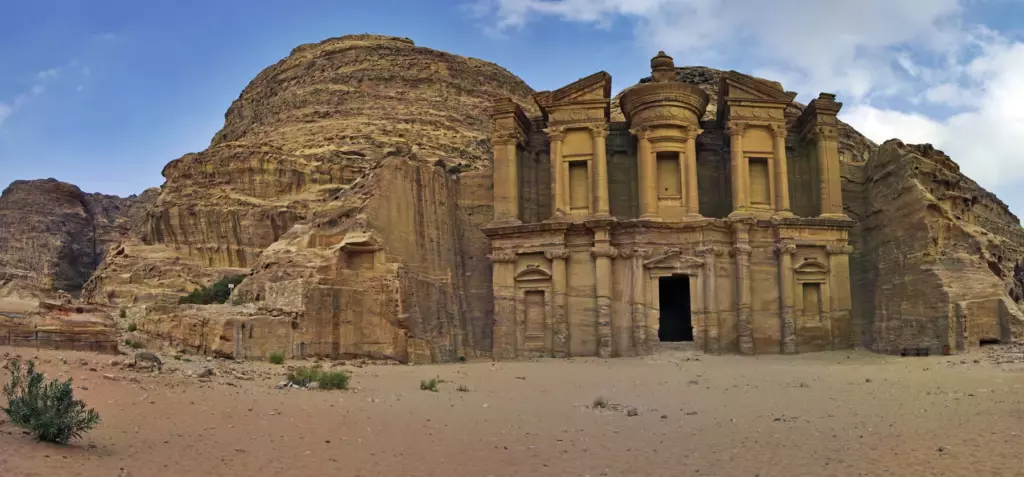
Explore six perspectives on Petra: the Treasury, the Siq, Ad-Deir, rock-cut tombs, carved sandstone and the wider landscape. Select a frame to view the photograph.
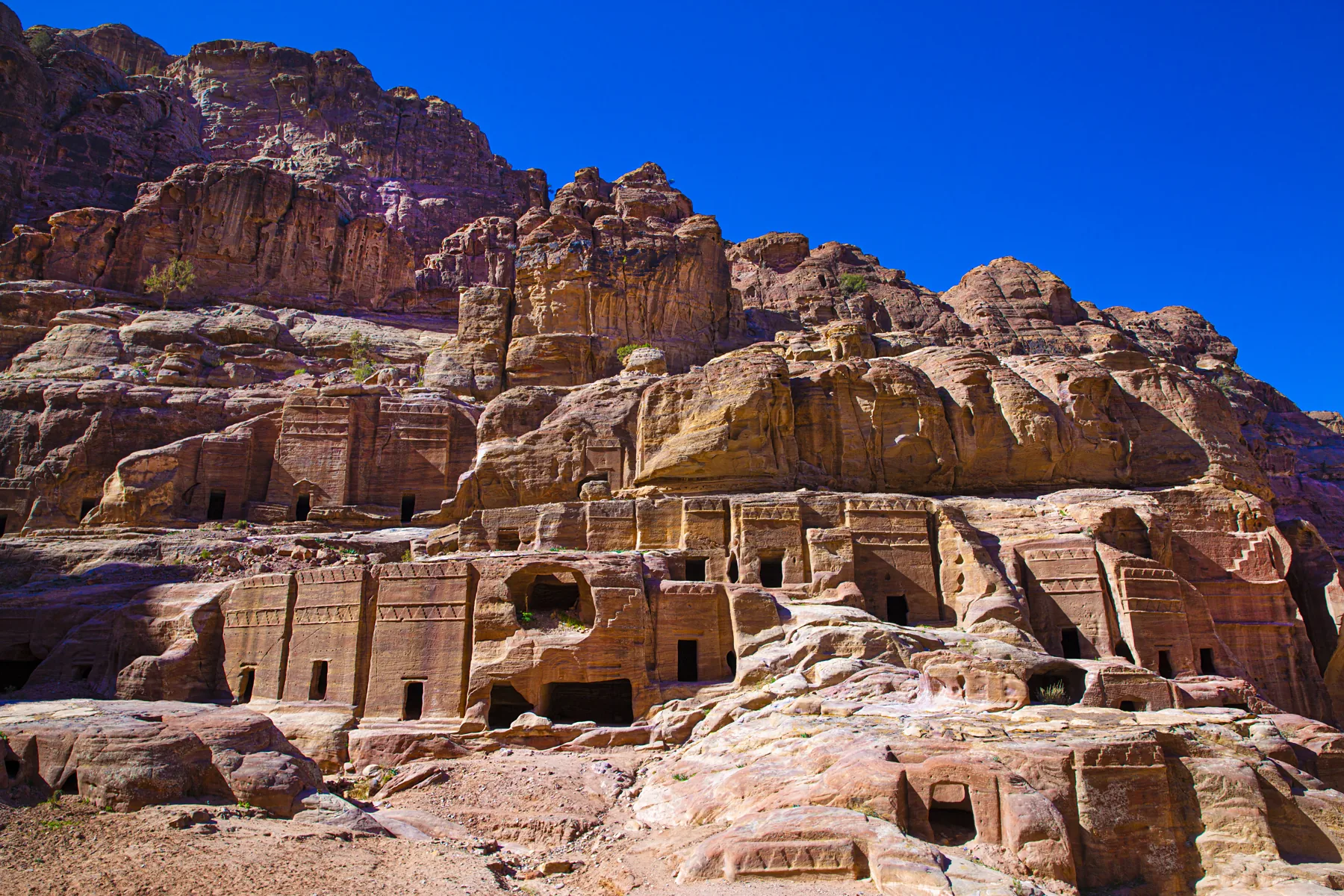
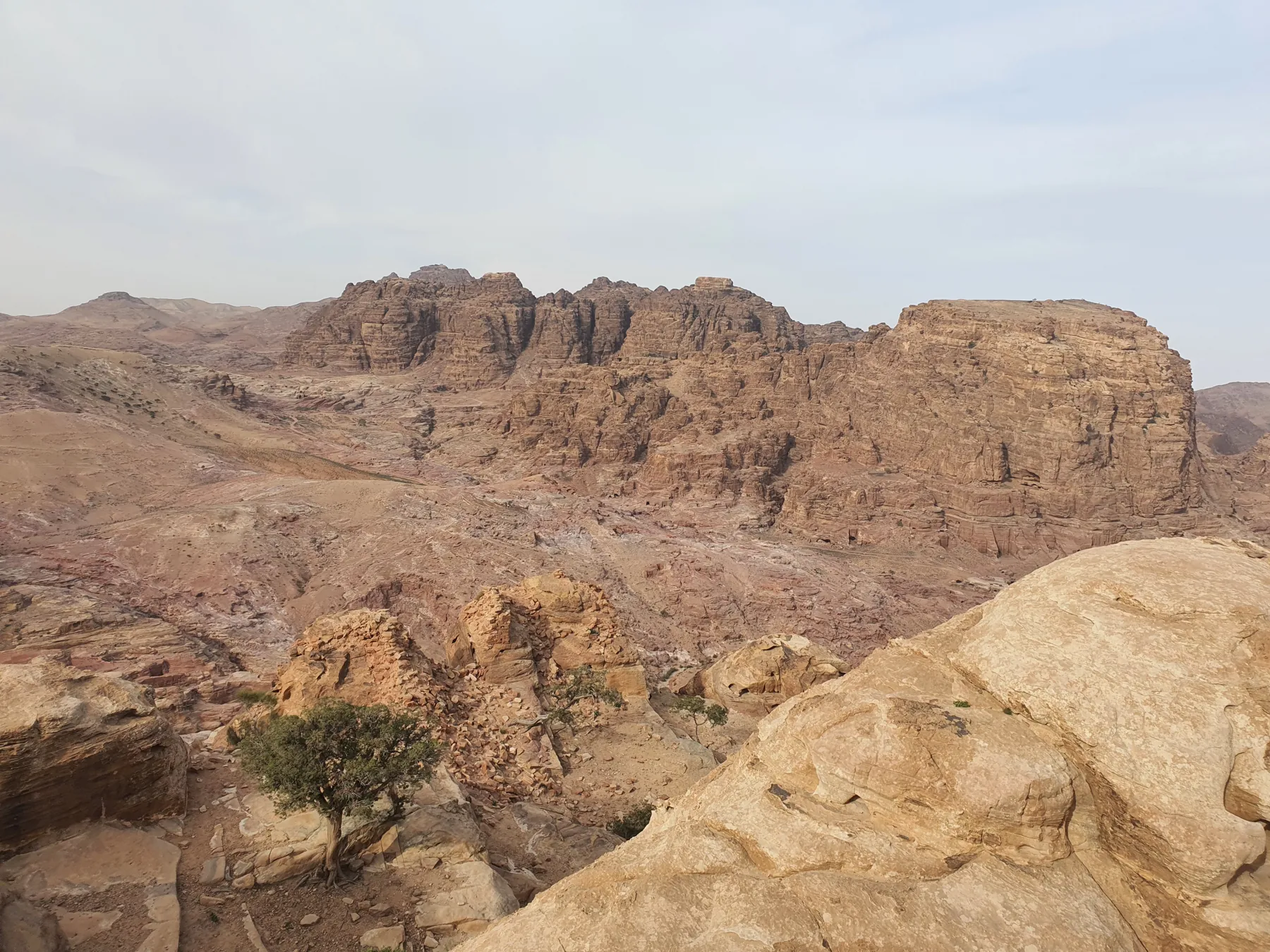
These are our suggested ways to organise a visit, not official timetables or booked itineraries. Start with the route currently open to visitors, allow for breaks and leave a generous return margin.
A two-day admission ticket is for consecutive days. The route choice still depends on opening, conditions and your party’s needs. No transfer, guide or activity is included in these suggested plans.
A shorter second visit can be more satisfying than a checklist of extra summits. Choose an experience for its subject and setting, and confirm access directly.
Near the park entrance, the museum adds context to what you see outside, including objects connected to water supply, religion and everyday life. Check its own visitor information before planning your stop.
Siq al-Barid is a separate site in the wider Petra area. It can complement the main park visit, but reaching it is an additional journey. Ask about current entry arrangements and transport; do not assume it gives automatic access to a back-route hike.
The official operator currently lists Sunday–Thursday, 20:30–22:30, at JOD 30 per person. It is a separate evening experience, with its own ticket; a valid daytime ticket is also required. Reconfirm the operating night and ticket arrangements before going.
Take footwear suited to uneven ground, sun protection and enough drinking water for your chosen walk. Check the weather and the park’s instructions on the day. Follow closures and ranger advice.
Ask the Visitor Center about specific access needs and licensed services. A route described as “easy” is not a guarantee of step-free access.
Carry the identification required for your ticket. Multi-day tickets must be used on consecutive days.
Confirm the day’s closing time and when to turn back. Do not plan to remain inside the park overnight.
Stay off monuments, keep to permitted paths and leave archaeological material untouched. Use the bins or carry your rubbish out.
Tell us when you hope to visit, who is travelling and what matters most to you. We can discuss your planning questions before you settle on arrangements.
Source pages checked on 21 October 2026. Fees, schedules, access and services can change. Recheck the linked official pages before travelling. Routes in this guide are editorial suggestions, not a navigation map or confirmation of service availability.